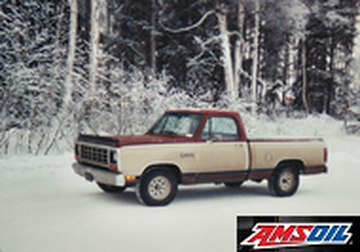
Maintaining Lubrication Standards for the 1982 Dodge Trucks D150 3.7L
Proper engine maintenance is a cornerstone of long-term vehicle health, particularly when managing an older platform like the 1982 Dodge Trucks D150. While many modern vehicles benefit from highly automated monitoring systems, maintaining a vehicle from this era requires a more hands-on approach to observing fluid conditions and mechanical integrity. For the 3.7L engine, consistent attention to lubrication and routine inspections can help ensure the vehicle remains operational and efficient.Monitoring Fluid Integrity and Condition
One of the most effective ways to monitor the health of an engine is through regular observation of its fluids. Rather than relying solely on scheduled intervals, an owner should become familiar with the expected appearance and behavior of the engine oil. When performing a routine check, look for changes in the lubricant's color or consistency. While some level of darkening is normal as oil undergoes thermal stress and collects microscopic particulates, extreme discoloration or a gritty texture can be a sign that the oil has exceeded its effective service life. Furthermore, if you notice any unusual odors emanating from the engine area, it may indicate that oil is contacting hotter external components. It is also important to watch for signs of unexpected consumption. If the oil level on the dipstick drops more rapidly than anticipated between services, this warrants a closer inspection of the engine's sealing surfaces. Such observations do not necessarily point to a single specific failure, as various factors can contribute to fluid loss, but they serve as an essential early warning system for the owner.Systematic Inspection of Engine Components
A proactive maintenance strategy involves more than just checking oil levels; it requires a visual survey of the engine compartment to identify potential issues before they escalate. For a 1982 Dodge Trucks D150, this means looking for evidence of seepage or leakage around various junctions. When conducting these inspections, focus on the following areas:- Sealing Surfaces: Inspect gaskets and seals for any signs of weeping or active leakage. Even minor seepage can eventually lead to significant fluid loss if left unaddressed.
- Hoses and Connections: If equipped, examine visible hoses for signs of hardening, cracking, or bulging. Maintaining the integrity of these components is vital for overall engine stability.
- Drive Components: If the engine utilizes accessible belts, inspect them for evidence of glazing, fraying, or surface cracking. A belt that shows significant wear may eventually lose its ability to drive accessories effectively.
- Electrical Integrity: Check that wiring harnesses and electrical connectors appear secure and free from excessive corrosion or heat damage.
Managing Maintenance Records for Longevity
For owners of older vehicles, documentation is one of the most valuable tools available. Maintaining a detailed service history provides a clear picture of the vehicle's mechanical evolution. If you have recently acquired this D150, attempting to establish a maintenance baseline is a wise first step. This involves reviewing any available receipts or logs and then performing a thorough inspection to confirm the current state of all fluids and wear items. A well-kept record should include:- Dates and mileage at the time of every oil change.
- Specific brands and types of lubricants used.
- Details regarding any replaced filters or gaskets.
- Observations made during routine inspections, such as noted seepage or belt wear.
Prioritizing Service Based on Observed Condition
As vehicles age, the philosophy of maintenance often shifts from strictly following a calendar to responding to the actual condition of the machine. For the 1982 Dodge Trucks D150, this means prioritizing tasks based on what you see during your inspections. If an inspection reveals an active leak or a belt that is showing signs of fraying, these should take precedence over other non-critical maintenance tasks. Similarly, if you notice the engine oil is accumulating contaminants more quickly than usual, it may be necessary to adjust how frequently you perform service. Effective ownership involves distinguishing between preventive maintenance—tasks done to keep the vehicle in its current state—and corrective maintenance, which addresses an existing issue. By focusing on addressing active warning signs first, you can prevent minor issues from developing into more complex and costly mechanical repairs.Understanding Lubricant Properties
When selecting a lubricant for an engine of this vintage, it is helpful to understand the different formulations available in the modern market. While the 1982 Dodge Trucks D150 was designed long before many current additive technologies were standardized, modern oils offer various benefits that can be applied to older engines. For example, some high-mileage oil formulations contain additives intended for use in aging engines. These formulations may include seal-conditioning additives designed to help maintain the flexibility of older gaskets and seals. Additionally, different types of base oils—such as conventional, synthetic blends, or full synthetics—offer varying levels of thermal stability and resistance to oxidation. However, it is vital to avoid making assumptions based solely on the age of the vehicle. The best approach is to match the lubricant to the specific requirements provided in your application documentation rather than relying on general automotive trends.Practical Advice for Buying Engine Oil for a 1982 Dodge Trucks D150 3.7L
When you are ready to replenish your engine's lubrication, ensure you are selecting a product that is compatible with your specific requirements. The most important step in the purchasing process is to match the oil to the application-specific viscosity and information already displayed on this webpage. Before finalizing your purchase, follow these practical steps:- Verify the Label: Always check the product packaging to ensure the SAE viscosity matches the information provided for your 3.7L engine.
- Check Certifications: Look for appropriate API (American Petroleum Institute) service classifications on the bottle to ensure the oil meets modern quality standards.
- Consider Formulation: Depending on your vehicle's current condition and your maintenance goals, you may choose between conventional, synthetic blend, or high-mileage formulations, provided they meet the necessary viscosity requirements.
- Avoid Guesswork: Do not rely on memory or general advice regarding what "older trucks" might need; always refer back to the specific application data listed here for your D150.